Doctors warn that improperly stored cooked rice can cause food poisoning due to the bacteria Bacillus cereus. If rice is left at room temperature for over four hours, toxins may form that reheating cannot destroy. Symptoms include nausea, vomiting, diarrhoea, and cramps. Experts advise rapid refrigeration and reheating rice only once.
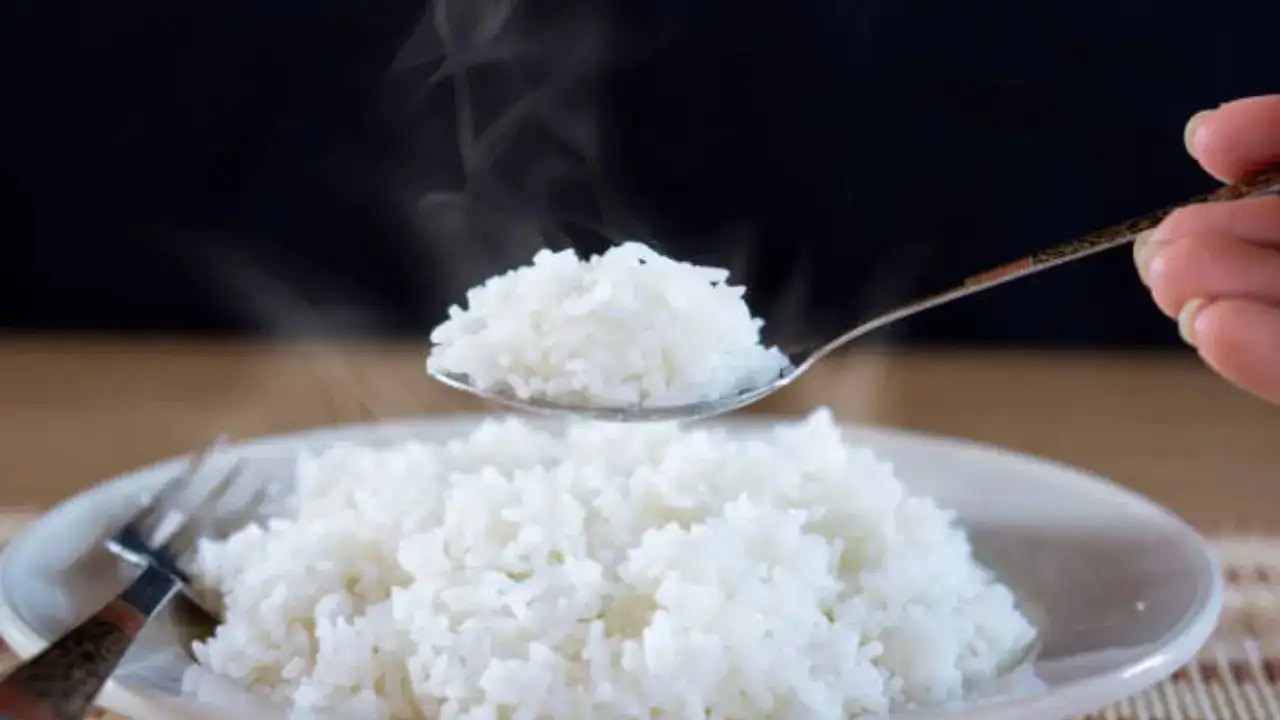
Rice is a staple in millions of households across the world. In countries like India, it is often cooked in bulk and stored in large quantities for later meals as well. And so, while reheating rice is a common kitchen practice, experts say that improper storage of cooked rice can cause severe food poisoning. Understanding the risks and following proper food safety practices can help protect your family from illness.
According to Dr. Balaji G, Senior Consultant – Medical Gastroenterology, Hepatology and Interventional Endoscopy, reheated rice itself is not the problem. The real risk lies in how cooked rice is stored before it is reheated.
1. What other foods are affected by Bacillus cereus?
Besides rice, Bacillus cereus can thrive in other starchy foods like pasta and potatoes. These foods can also become unsafe if not stored properly, leading to food poisoning. The spores of Bacillus cereus can survive cooking and multiply when left at room temperature, producing heat-stable toxins that cause gastrointestinal distress. Therefore, proper storage practices are crucial for all starchy foods.
2. How quickly should leftover rice be refrigerated?
Leftover rice should be refrigerated within one to two hours after cooking. This rapid cooling is essential to prevent the growth of Bacillus cereus, which can multiply quickly at room temperature. It’s recommended to spread the rice out on a baking tray to cool it down quickly before placing it in an airtight container in the refrigerator.
3. What are the symptoms of food poisoning from Bacillus cereus?
Symptoms of food poisoning caused by Bacillus cereus typically include nausea, vomiting, abdominal cramps, and diarrhea. These symptoms can appear rapidly, often within six to twelve hours after consuming contaminated food. While most cases are mild and resolve quickly, they can lead to dehydration, especially in vulnerable populations like children and the elderly.
Why is reheated rice so dangerous?
Bacillus cereus, a bacterium that forms spores, exists in uncooked rice and survives normal cooking temperatures. “Spores of this particular bacterium are heat-resistant. When cooked rice is left out at room temperature for an extended period of time, more than four 4 hours, these spores will multiply, and the toxins they produce will not be destroyed by reheating,” he said.
This type of food poisoning is sometimes referred to as “reheated rice syndrome” or “fried rice syndrome.” It commonly occurs when leftover rice is kept outside the refrigerator for long periods before being consumed.
Symptoms of food poisoning from reheated rice
Food poisoning caused by Bacillus cereus usually develops quickly. Symptoms may begin within one to six hours after consuming contaminated rice. According to Dr. Balaji, a few common symptoms include:
- Nausea
- Vomiting
- Abdominal cramps
- Diarrhoea
- Mild fever
- Weakness or fatigue
Most cases are mild and resolve within a day. However, dehydration can become a serious concern, especially in children and elderly individuals. “The majority of episodes are self-limiting; however, dehydration is a significant concern in children and elderly individuals,” he said.

Who is at higher risk?
Healthy adults experience a speedy recovery following food poisoning in most cases; however, some people (e.g., children, pregnant women, seniors, and those with chronic diseases or immunocompromised) may experience complications from mild food poisoning and will therefore lose considerable amounts of fluid and electrolytes due to food poisoning.
Safe cooling and storage
According to Dr. Balaji, the key to preventing food poisoning is proper storage, not simply reheating the rice. He advises that cooked rice should be cooled quickly and refrigerated within one to two hours of cooking. A few important safety tips include:
- Store cooked rice in a sealed container
- Keep it in the refrigerator below 5°C
- Consume refrigerated rice within 24 hours
- Avoid leaving rice at room temperature for long periods
“Rice should never be kept warm on a kitchen counter or in an unplugged rice cooker for several hours, as this creates ideal conditions for bacterial growth,” he said.
When reheating cooked rice, ensure that the whole portion of rice is steaming hot. Cooked rice can only be reheated once. After cooking and reheating, cooked rice should be served immediately. Cooked rice that has not been consumed within 4 hours of being removed from the heating source must be discarded. Patients should seek medical care if symptoms persist for more than 48 hours, worsen, or are accompanied by confusion, severe fatigue, or drastically reduced urine output. It is very important to note that rice or food should be reheated only once.
(Inputs by: Dr. Balaji G, Senior Consultant – Medical Gastroenterology, Hepatology and Interventional Endoscopy)